

Hemorrhoids in Raleigh, NC

Young woman with pain
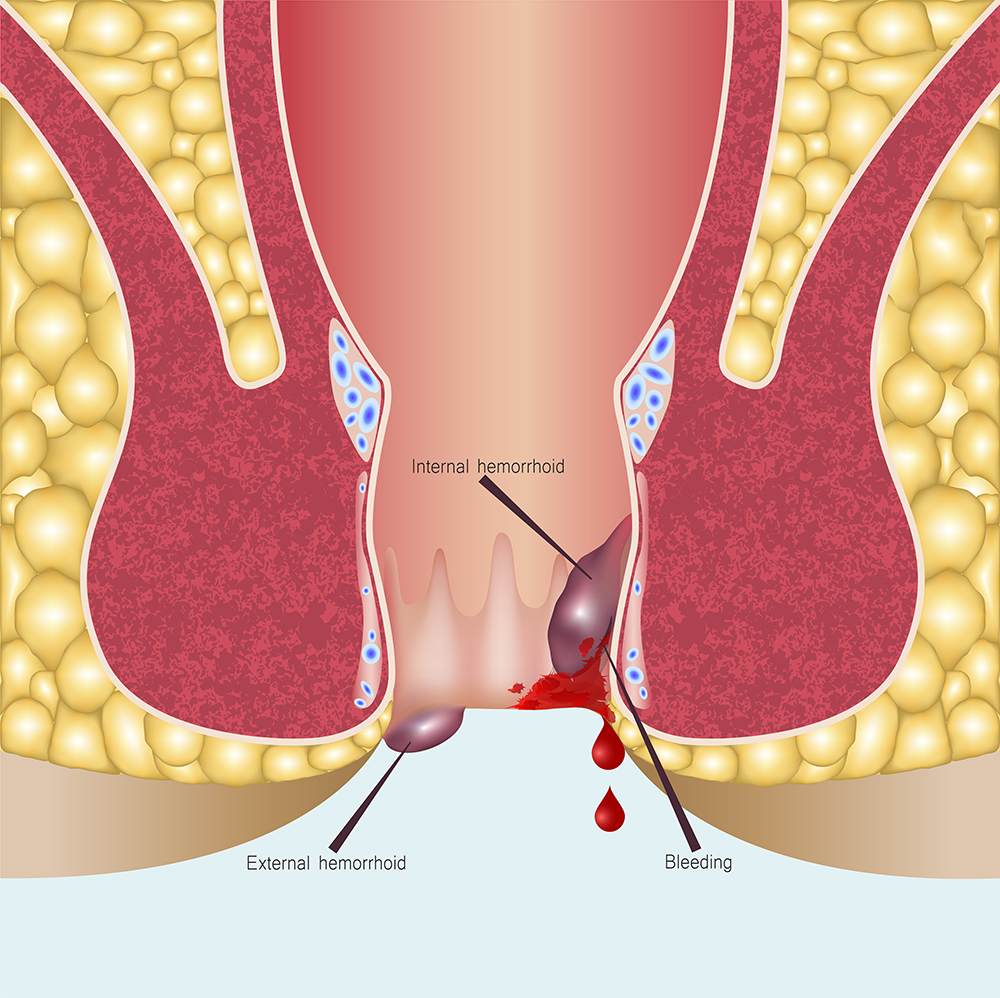
Internal hemorrhoids and external hemorrhoids

Internal hemorrhoids are a normal part of the anal canal; everyone has them. Internal hemorrhoids are columns of tissue made up of blood vessels, and they can break down and weaken over time. When this occurs, it can cause painful and irritating symptoms. On occasion, internal hemorrhoids can be quite extensive. When they extend to the external tissue in or around the anus, they are called mixed internal-external hemorrhoids.

Internal hemorrhoids

Internal hemorrhoids are a normal part of the anal canal; everyone has them. Internal hemorrhoids are columns of tissue made up of blood vessels, and they can break down and weaken over time. When this occurs, it can cause painful and irritating symptoms. On occasion, internal hemorrhoids can be quite extensive. When they extend to the external tissue in or around the anus, they are called mixed internal-external hemorrhoids.

Causes of internal hemorrhoids

Complications related to internal hemorrhoids develop over time. Any stress on the pelvic floor muscles, such as when you strain too hard while having a bowel movement, can worsen them. Constipation and diarrhea can also irritate internal hemorrhoids.

Symptoms of internal hemorrhoids

Symptoms of internal hemorrhoids vary in severity from person to person and can include:

  • Bleeding
  • Itching
  • Leaking fluid (blood or mucus)
  • Prolapsed (out of place) tissue extending from the anus

Treatment for internal hemorrhoids

As a first step to treating internal hemorrhoids, your surgeon will likely recommend some combination of the following medical options:

  • Increased dietary fiber to make your stool softer and easier to pass
  • Lifestyle modifications, such as eating plenty of fruits, vegetables, and whole grains and drinking several glasses of water each day
  • Prescription suppositories to temporarily relieve pain and itching due to hemorrhoids

If medical options are not enough to manage your internal hemorrhoid symptoms, your surgeon may recommend one of these treatments:

  • Rubber band ligation. Your surgeon places a small rubber band around the hemorrhoid in this treatment. Lack of blood flow causes it to fall off after about a week. Your surgeon can perform rubber band ligation right in our clinic without any sedation.
  • Hemorrhoidal energy therapy (HET). With HET, your surgeon applies gentle pressure and low heat to the hemorrhoids to minimize blood flow and reduce their size. You’ll be under mild sedation for this treatment.
  • Hemorrhoidectomy. If the hemorrhoids are not responsive to any of the above treatments or if you need immediate surgical intervention, your surgeon may perform a hemorrhoidectomy to remove the hemorrhoid tissue. Surgeons perform this procedure while you are under sedation.

Most patients recover with only mild discomfort after nonsurgical treatments for internal hemorrhoids, while more advanced procedures may require additional healing time. Your colorectal specialist will monitor your progress and help ensure your symptoms continue to improve, adjusting your care plan if necessary to achieve the best long-term results.

External hemorrhoids

External hemorrhoids are skin tags that surround the anus. They can interfere with cleaning the area (while bathing or after a bowel movement) and become increasingly sore or irritated over time. The most common issue with external hemorrhoids is thrombosis (a collection of blood clots) that can gather under the skin just outside the anus.

Causes of external hemorrhoids

The most common causes of thrombosis in external hemorrhoids are:

  • Constipation or diarrhea
  • Heavy lifting
  • Other routine pelvic floor straining
  • Pregnancy

Symptoms of external hemorrhoids

Symptoms from external hemorrhoids are often quite severe if there is a thrombosis. Blood clots cause the skin to stretch and tighten, forming a firm knot. External hemorrhoids can make it very painful to sit or move around.

Treatment for external hemorrhoids

In most cases, your surgeon can make a small incision in the hemorrhoid and remove the blood clot(s). Your surgeon performs this procedure right in our clinic, which typically relieves your pain immediately.

If your surgeon determines that they cannot drain the hemorrhoid, they will recommend medical treatment with steroid creams and supportive care, such as using witch hazel pads on the area or soaking in a warm bath. Occasionally, people with severe external hemorrhoids will need a hemorrhoidectomy (surgery to remove the hemorrhoid tissue, which is done under anesthesia).

If a blood clot is removed from an external hemorrhoid, many patients experience noticeable pain relief soon after the procedure. For those requiring more extensive treatment, your surgeon will provide guidance throughout the healing process and monitor the treatment area to ensure it is recovering properly before you resume all normal activities.

When to seek hemorrhoid treatment

Patients are recommended to look for treatment as early as the first signs of hemorrhoids. Patients who are suffering from either internal or external hemorrhoids are ideal candidates for hemorrhoid treatment. Candidates should follow through with the recommended treatment plan to achieve complete relief from the condition.

Your consultation

Your consultation will start by meeting with one of our providers, who will listen to your symptoms and experience. Tell your provider about any treatments you have tried for your hemorrhoids.

Your provider will perform a physical exam to determine the nature and extent of your hemorrhoids. Based on their findings, they will lay out all suitable treatment options and discuss them. They will work with you to find your ideal treatment.

For instances where diet or lifestyle changes or medications are not sufficient, a procedure may be required. Your provider will create a personalized procedure plan and explain all its details to you. They will discuss any required preparation and aftercare steps. Any questions you may have will be answered.

Why Triangle Area Patients Trust UNC REX

Choosing the right provider for hemorrhoid treatment means finding a team with specialized experience in diagnosing and managing conditions that affect the colon, rectum, and anus. At the Colorectal Division of North Carolina Surgery at UNC REX, our fellowship-trained colorectal surgeons evaluate each patient individually, recommending conservative therapies whenever possible and advanced procedures only when necessary. Our goal is to provide effective, evidence-based care that relieves symptoms while supporting your long-term colorectal health.

As part of the UNC Health® system, our practice offers patients access to specialized colorectal expertise in a welcoming, community-based setting. We care for patients from Raleigh, Cary, Durham, Holly Springs, Wake Forest, Apex, and throughout the Triangle, combining modern treatment options with compassionate guidance from consultation through follow-up. Whether you’re experiencing hemorrhoids for the first time or dealing with persistent symptoms, we are committed to helping you find the care strategy that’s best for you.

Benefits of Hemorrhoid Treatment at UNC REX

  • Fellowship-trained colorectal surgeons
  • Conservative treatment options offered before surgery whenever appropriate
  • In-office procedures available for select hemorrhoid treatments
  • Advanced surgical care for persistent or complex hemorrhoids
  • Comprehensive evaluation to rule out other colorectal conditions that may cause similar symptoms
  • Coordinated care through the nationally recognized UNC Health® system

How Much Do Hemorrhoid Treatments Cost?

The price of hemorrhoid therapy varies depending on the type of treatment recommended, the complexity of your condition, and your insurance coverage. Our team is happy to answer questions about accepted insurance plans and any expected out-of-pocket costs before your treatment begins.

Set Up an Appointment

If you are looking for relief from hemorrhoids in Raleigh, contact us today and schedule your consultation. We will be available to address any and all questions and concerns.

Hemorrhoid FAQs

Can hemorrhoids be mistaken for other conditions?

Yes, several conditions can cause symptoms similar to hemorrhoids, including anal fissures, infections, and other colorectal disorders. Because of this, it’s important to receive an accurate diagnosis rather than assuming hemorrhoids are the cause.

Can hemorrhoids affect both men and women?

Yes, hemorrhoids can develop in men and women. While certain risk factors may differ, the condition is common regardless of sex.

Can hemorrhoids affect both men and women?

Hemorrhoid surgery is performed under sedation or anesthesia, so you should not feel pain during the procedure itself. It is normal to experience some discomfort as you recover, but your surgeon will provide aftercare instructions and recommendations to help manage your symptoms and support the healing process.

Is hemorrhoid surgery painful?

Dr. Sadiq and his staff are one of a kind!

The whole team there is one of a kind! I was there for 45 days, and each day I felt like they listened to me and always tried to make me feel better, unlike most doctors I’ve seen in the past. The surgeons go to considerable lengths to find the source of the issue and resolve the problem, and that’s why I trusted them so much. Everybody there will give their finest to get you back on the right track to recovery, and I’m deeply grateful to everyone! I was so lucky to end up there, and I wouldn’t change a thing.

Learn more about the procedures and surgeries that our team offers.