
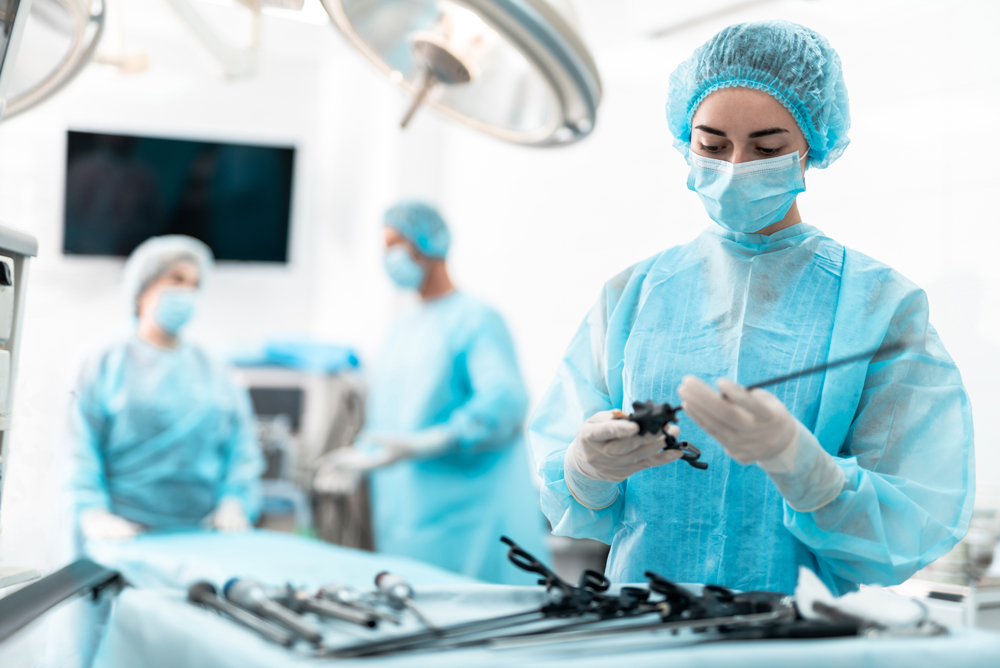
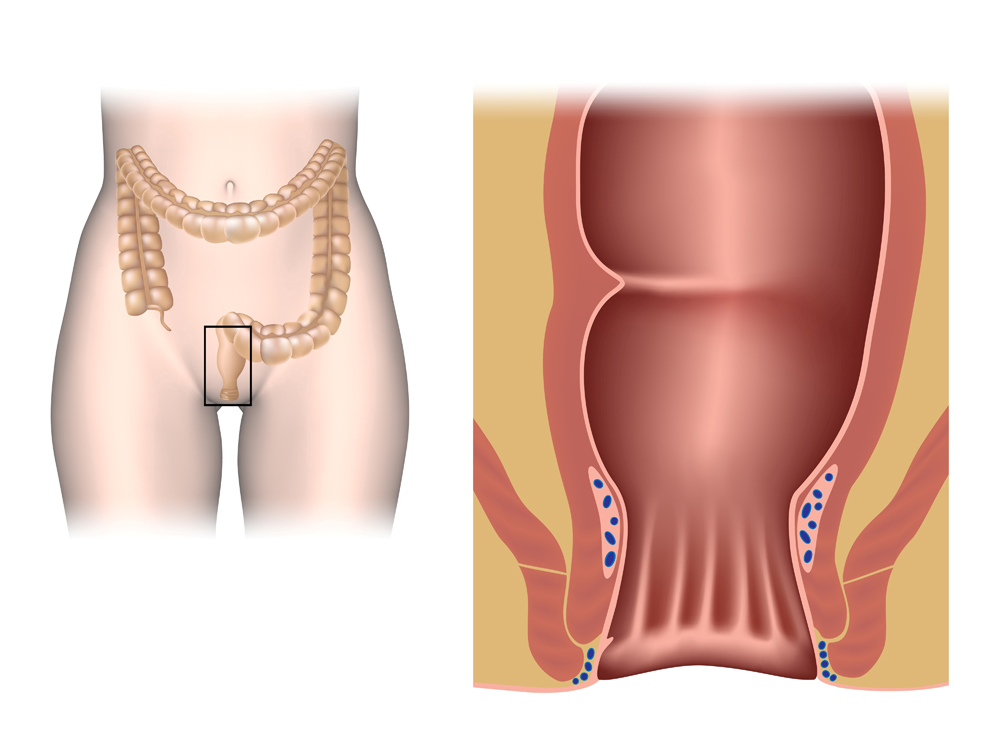
Surgeons use transanal endoscopic microsurgery (TEM) to remove non-cancerous polyps (growths) and some early-stage cancerous tumors in the rectum. It involves the use of an endoscope to access the anal canal. This procedure is also known as transanal endoscopic operations (TEO) or transanal minimally invasive surgery (TAMIS). The specialty-trained colorectal surgeons at UNC REX are expert providers of transanal endoscopic microsurgery in Raleigh.
Who Is a Good Candidate for Transanal Endoscopic Microsurgery (TEM)?
Transanal endoscopic microsurgery may help certain patients avoid more extensive, open abdominal surgeries. Advances in techniques and equipment allow surgeons to remove growths with TEM that were previously thought to be only treatable with traditional surgical methods. However, not everyone is eligible for this minimally invasive colorectal surgery, so your provider will work with you to decide which approach is best for you.
TEM Surgery Consultation
During your initial consultation, you’ll meet with the surgeon, who will listen carefully as you describe your symptoms. After a review of your patient’s medical history, the surgeon may order additional pre-operative tests to determine further details regarding the size and location of the growths.
The surgeon will also discuss the details of transanal endoscopic microsurgery and set a date for the procedure. You may be requested to do a pre-operative bowel cleanse the day before surgery.
How Transanal Endoscopic Microsurgery (TEM) Works
The colorectal surgeons at UNC REX use specialized, state-of-the-art equipment when performing transanal endoscopic microsurgery. The patient is under general anesthesia during the entire surgery.
An endoscope, a tool featuring an optical camera and light, is highly advanced and projects detailed images onto an external monitor. This allows the surgeon to perform an incredibly precise removal of growths.
The doctor can accurately excise the growths and seal blood vessels using a TEM electric scalpel. If needed, sutures can be placed to repair the rectal wall.

He was kind and thoughtful!
My experience with the Colorectal Division of North Carolina Surgery was exceptional! I was so fortunate to have been referred to them. My surgeon was kind and thoughtful, and he explained everything so thoroughly and offered me a hope that I had been living without for eight months! My surgeon also made it very clear that the options he presented were my decision. The whole team was wonderful, and their care before, during and after my surgery were so far beyond reasonable expectations! I would recommend them without hesitation! With great gratitude!
Jennifer
What to Expect After Transanal Endoscopic Microsurgery
Patients are typically discharged within 24 hours following TEM and can resume regular eating habits. Adhering to a lighter schedule allows the body to rest during surgical recovery. Minor discomfort or a day or two of incontinence may occur, but these are temporary conditions.
Benefits of Transanal Endoscopic Microsurgery
- Precise removal of rectal tumors and polyps
- Faster recovery time and less postoperative discomfort
- Minimal or no external scarring due to the transanal approach
- Preservation of rectal function and reduced need for more invasive surgery
TEM Surgery Cost in Raleigh, NC
The cost of a TEM procedure varies based on each patient’s surgical plan and various additional fees, including those for the operating facility and anesthesia. For patients with health insurance benefits, a portion of the procedure’s price may be covered as a medically necessary expense.
The knowledgeable patient billing staff at UNC REX can provide more details about the pre-approval process. Patients will also receive detailed price information during a surgical consultation.

Why Choose UNC REX For TEM Surgery
As part of the nationally recognized UNC Health® system, the Colorectal Division of North Carolina Surgery at UNC REX brings exceptional institutional resources to every procedure we perform. Our Raleigh clinic is connected to a broad network of specialists, ensuring that your care is fully coordinated from diagnosis through recovery. Patients throughout the Triangle Area trust UNC REX for the kind of comprehensive, collaborative approach that leads to better outcomes.
Our colorectal surgeons are specialty-trained in transanal endoscopic microsurgery and stay current with the latest advances in minimally invasive techniques and technology. TEM requires a high level of precision and specialized expertise, and our team has the focused experience to perform these procedures with confidence and skill. Whether your case is straightforward or complex, you’ll be in the hands of surgeons who have dedicated their careers to colorectal care.
From your first consultation to your post-operative follow-up, our providers take the time to understand your concerns, explain your options, and guide you through every step of the process. For patients in Raleigh, Durham, Cary, and the surrounding communities, UNC REX offers a trusted, local destination for advanced colorectal surgical care.
Our colorectal surgeons include:
- Timothy Sadiq, MD, FACS — Highly trained colorectal surgeon with over two decades of experience, specializing in inflammatory bowel disease and complex re-operative surgery.
- Laura Altom, MD, MSPH — Expert in minimally invasive surgery for colorectal cancer, diverticulitis, and anorectal diseases.
- Meridith Ginesi, MD — Fellowship-trained specialist in advanced laparoscopic, robotic, and endoscopic colorectal techniques, with national and international recognition for research and teaching.
TEM Surgery FAQs
How long does transanal endoscopic microsurgery take?
Most TEM procedures take 1-3 hours to complete, depending on the size, location, and complexity of the growth(s) being removed. The actual duration can vary based on whether additional repairs to the rectal wall are needed.
What does a pre-operative bowel cleanse involve?
A pre-operative bowel cleanse typically means drinking a prescribed laxative solution (such as polyethylene glycol or magnesium citrate) and following a clear liquid diet to empty the bowels before surgery. This process usually begins 24 hours before the procedure and may cause frequent bowel movements to ensure the surgical area is clean and provides optimal visualization during the operation.
Do I need to stop taking my regular medications before and after the procedure?
You should discuss all your current medications with your surgical team during your initial consultation, as some may need to be temporarily stopped or adjusted before or after TEM surgery. Certain prescriptions, such as blood thinners, diabetes medications, or supplements, may interfere with surgery or anesthesia, while others can be safely continued during the bowel preparation process.
Can TEM be repeated if growths return or new ones develop?
Yes, TEM can usually be performed multiple times if needed, as long as the patient remains a good candidate for the procedure. The minimally invasive nature of transanal endoscopic microsurgery makes repeat treatments more feasible than traditional open surgery.
Will I need someone to drive me home after TEM?
Yes, because TEM is performed under general anesthesia, you will not be permitted to drive yourself home and should arrange for a trusted adult to accompany you. It’s also advisable to have someone stay with you for the first 24 hours following the procedure as the anesthesia fully clears your system.
What happens if the removed tissue turns out to be cancerous?
If pathology results reveal that the excised growth contains cancer, your surgical team will review the findings and discuss whether additional treatment (such as further surgery, radiation, or chemotherapy) may be needed. In many cases, TEM can achieve complete removal of early-stage cancers, but follow-up monitoring will be an important part of your ongoing care.
Will I experience any changes in long-term bowel function after TEM?
Most patients do not have permanent changes in bowel function after TEM, as the procedure is designed to preserve rectal integrity. Any temporary changes in bowel habits or continence typically resolve within a few weeks as the rectal tissue heals.