

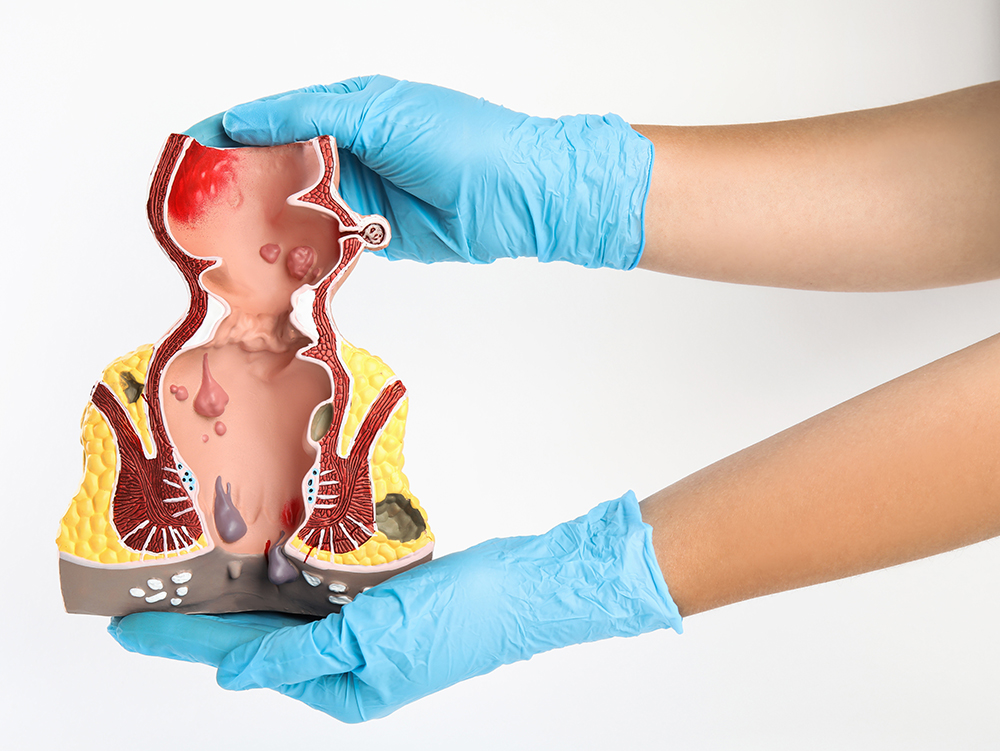
Anorectal surgery covers a range of surgeries focused on the rectum, anus, and surrounding areas. These procedures are vital for treating anorectal conditions that cause significant discomfort and impair daily functioning. At the Colorectal Division of North Carolina Surgery at UNC REX in Raleigh, anorectal surgery is performed by our highly experienced colorectal surgeons to improve our patients’ quality of life.
Medical Conditions Treated With Anorectal Surgery
Common conditions necessitating anorectal surgery include:
Hemorrhoids
Anorectal surgery is commonly employed to treat hemorrhoids, which are swollen and inflamed blood vessels in the rectum and anus. Surgical options may include hemorrhoidectomy (removing the hemorrhoid) or minimally invasive procedures like rubber band ligation.
Anal Fissures
Anal fissures, small tears in the lining of the anus, can cause discomfort and bleeding. Anoplasty procedures are often utilized to repair these fissures and promote healing.
Abscesses and Fistulas
Anorectal abscesses (collections of pus in the anal or rectal area) and fistulas (abnormal connections between organs or tissues) may require surgical drainage and repair to prevent complications and recurrence. One treatment option, known as a fistulotomy, involves opening the fistula tunnel to heal it from the inside out.
Dysplasia
Dysplasia refers to abnormal cell growth, often detected in the lining of the anus. Surgical excision or other interventions might be necessary to prevent the progression to more serious conditions.
Anal Cancer
In cases of anal cancer, anorectal surgery may be part of the comprehensive treatment plan. This can involve removing tumors, affected tissues, or nearby lymph nodes to address the cancerous growth.
Who Is a Candidate for Anorectal Surgery?
Determining if anorectal surgery is appropriate begins with a consultation with our Triangle Area-based team. We’ll perform an examination and may order diagnostic tests to assess your condition. Many anorectal issues can be managed with conservative treatments like dietary modifications, medications, or office procedures. Your surgeon will review all surgical and non-surgical options to help you decide.
Anorectal Surgery Recovery and Aftercare
Recovery from anorectal surgery varies by procedure, but generally involves several weeks of care. Pain management is a critical component, typically involving medications to ease discomfort during the healing process.
We advise patients to follow a diet rich in fiber, stay hydrated, and avoid strenuous activities during their recovery. Most patients can resume normal activities within a few weeks, with complete healing taking place over a few months.
Why Choose UNC REX for Anorectal Surgery?
Our surgical team at UNC REX Colorectal Surgery brings years of experience and a commitment to patient-centered care. We’re equipped with the latest technology for our patients’ safety and to provide effective treatments. We understand the sensitivity of anorectal conditions and prioritize your privacy and comfort throughout your treatment and recovery.
Benefits of Anorectal Surgery
- Relief from chronic pain, swelling, or bleeding
- Improved bowel comfort and hygiene
- Prevention of infection or abscess recurrence
- Restoration of healthy anal and rectal function
- Reduced risk of complications from untreated conditions
- Enhanced ability to perform daily activities without discomfort
- Improved emotional well-being and confidence
How Much Does Anorectal Surgery Cost?
The price of anorectal surgery depends on your treatment plan and associated expenses, including operating room and anesthesia fees. For patients with health insurance, much of the cost is often covered when medically necessary. Our billing specialists at UNC REX can provide information about insurance pre-authorization and coverage details.
Benefits of Minimally Invasive Anorectal Surgery
- Faster Recovery: Many procedures are performed as “same-day” or outpatient surgeries.
- Reduced Pain: Utilization of advanced techniques like rubber band ligation or specialized nerve blocks to minimize post-operative discomfort.
- High Success Rates: High efficacy in resolving chronic issues like recurring abscesses or painful hemorrhoids.
- Improved Quality of Life: Restores normal bowel function and eliminates the constant discomfort associated with anal fissures or inflammation.
What to Expect During Your Consultation
- Physical Examination: A focused exam to determine the severity of the anorectal condition.
- Diagnostic Review: Evaluation of your medical history and any previous imaging or colonoscopy results.
- Tailored Treatment Plan: A discussion of both non-surgical (dietary, topical) and surgical options.
- Insurance Coordination: Our team will help verify if your specific anorectal procedure is covered by your provider.
Anorectal Surgery FAQs
Will I need to stay in the hospital overnight?
Many anorectal procedures are performed on an outpatient basis, allowing you to return home the same day. More extensive surgeries can require an overnight hospital stay for monitoring and pain management.
Will I need someone to drive me home after surgery?
Yes, you will need someone to drive you home following your procedure, as anesthesia effects can impair your ability to drive safely. Having assistance at home for the first 24 to 48 hours is also recommended.
Schedule Your Anorectal Surgery Consultation
If you’re experiencing symptoms related to anal disorders or have been advised to consider anorectal surgery in Raleigh, our team at UNC REX Colorectal is here to provide expert guidance and compassionate care. Contact us today to schedule a consultation and discover how anorectal surgery can help you regain your health and well-being.